




Global governance institutions, and the broader rules-based international order, are widely seen to be in crisis – yet the demand for effective global governance and international institutions remains strong. A wide range of global challenges – climate change, pandemics, migration, inequalities, digitalisation, and security – are more effectively addressed through international cooperation than unilateral action. This raises an important question: How can international institutions be transformed to address global challenges given the crisis of the rules-based international order?
It has answered this question by comparing the 15 case studies of the ENSURED project. These case studies span five policy areas, include different types of institutions, and are informed by 184 interviews and other sources of data. Together, they provide a unique and in-depth perspective on the reforms of global governance institutions since 2020.
Many significant global challenges can be better addressed through international cooperation than through unilateral action.
This research report has three main findings:
1. The case studies clarify that international policy problems are changing, and that this reality provides the main impetus for reform agendas. New policy needs have arrived on the international agenda (e.g., digitalisation), political choices to address them have changed (e.g., the desirability of free trade), crises have become more complex (e.g., climate), and their salience and magnitude have increased (e.g., pandemics and migration). Challenges are also more transversal and cut across policy areas and institutions, significantly impacting domestic political landscapes and societal transition as a whole. The 15 case studies highlight that the supply of global governance by existing international institutions often no longer fits such changing policy problems. Institutions clearly face adaptation issues due to populist backlashes and power transitions, yet the case studies also highlight that the current set of policy problems on the international agenda is formidable and entangled.
2. When it comes to the positions of major international actors and their relative potential to transform institutions, the US under the Trump administration is disengaging. There is no denying that Washington has turned its back on most international institutions – as illustrated in nearly all 15 case studies. Other major actors have yet to adjust their positions to this new reality. The case studies highlight that the European Union (EU) and its member states are regularly at odds, not just with China and Russia, but also with India, Brazil, and South Africa (IBSA), as well as with different formations of the African Group.
3. While there have been some efforts in the last five years to expand global governance – notably its scope, through constitutive change and institutional reform – most of these efforts have focused on the internal functioning of institutions. To put it differently, while the negotiations on major initiatives like the Pandemic Agreement at the World HealthOrganization (WHO), minimum taxation at the Organisation for EconomicCo-operation and Development (OECD), and the Artificial Intelligence (AI)Framework Convention at the Council of Europe have received significantattention and publicity, the emphasis – as the case studies reveal – has been on incremental reforms related mostly to policy implementation. The case studies show that, across numerous institutions, there are many reform ideas floating around expert and official circles, but they quickly run up against the familiar obstacle of political will. There is nevertheless unexploited potential here, even if it may require more political leadership, deal-making between actors, and some imagination.
Global governance reform is far from straightforward, but there remains unexploited potential for progress.
Overall, this report shows that we need to take the specific context, policy problems, actor constellations, and reform efforts in individual institutions seriously.
Citation Recommendation: Hylke Dijkstra 2026. “Reforming Global Institutions in an Era of Geopolitical Strain: Evidence from 15 Case Studies.” ENSURED Research Report, no. 24 (January): 1-30. https://www.ensuredeurope.eu.
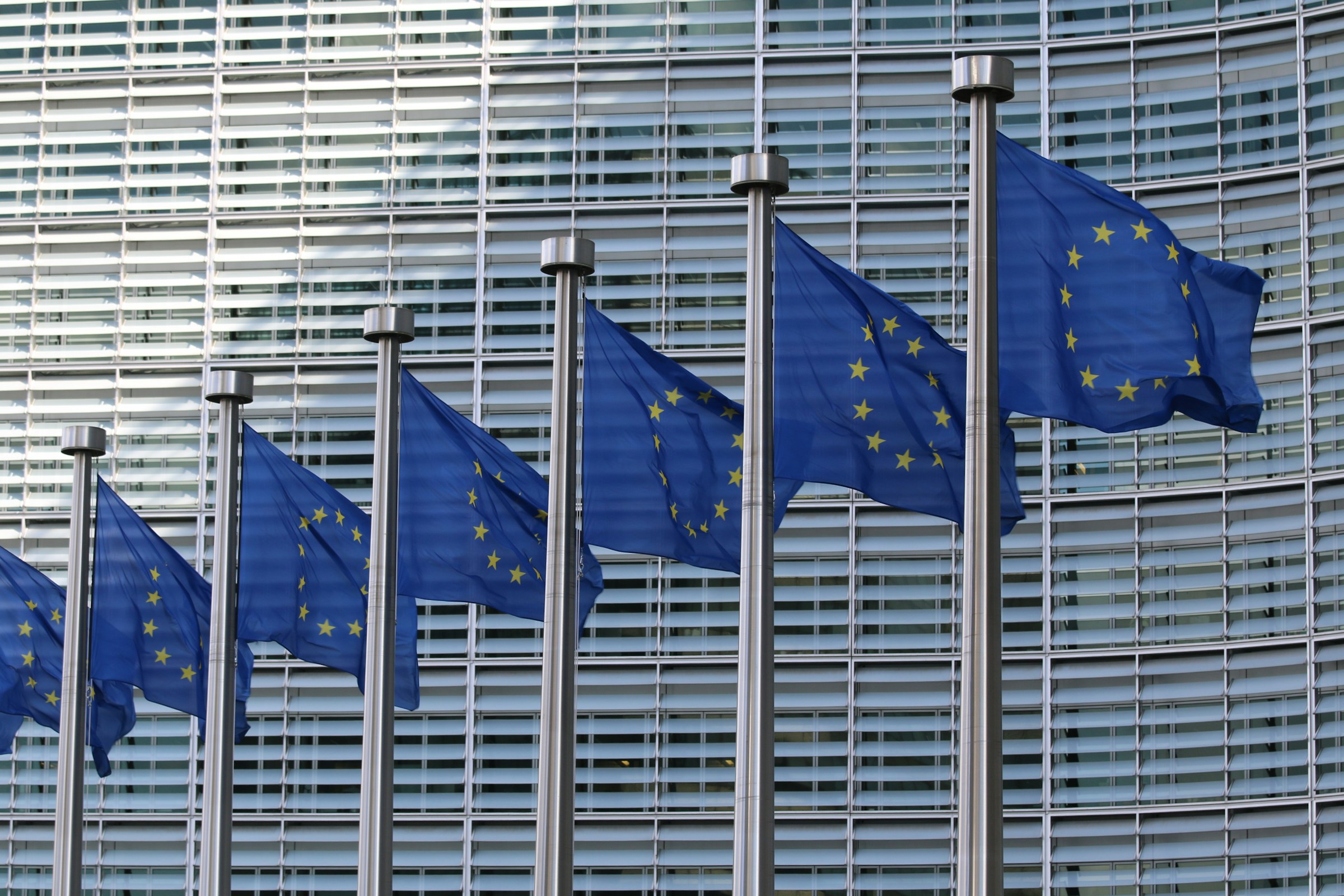
Photo: Colin Lloyd/Unsplash (Unsplash Licence)


.png)


