


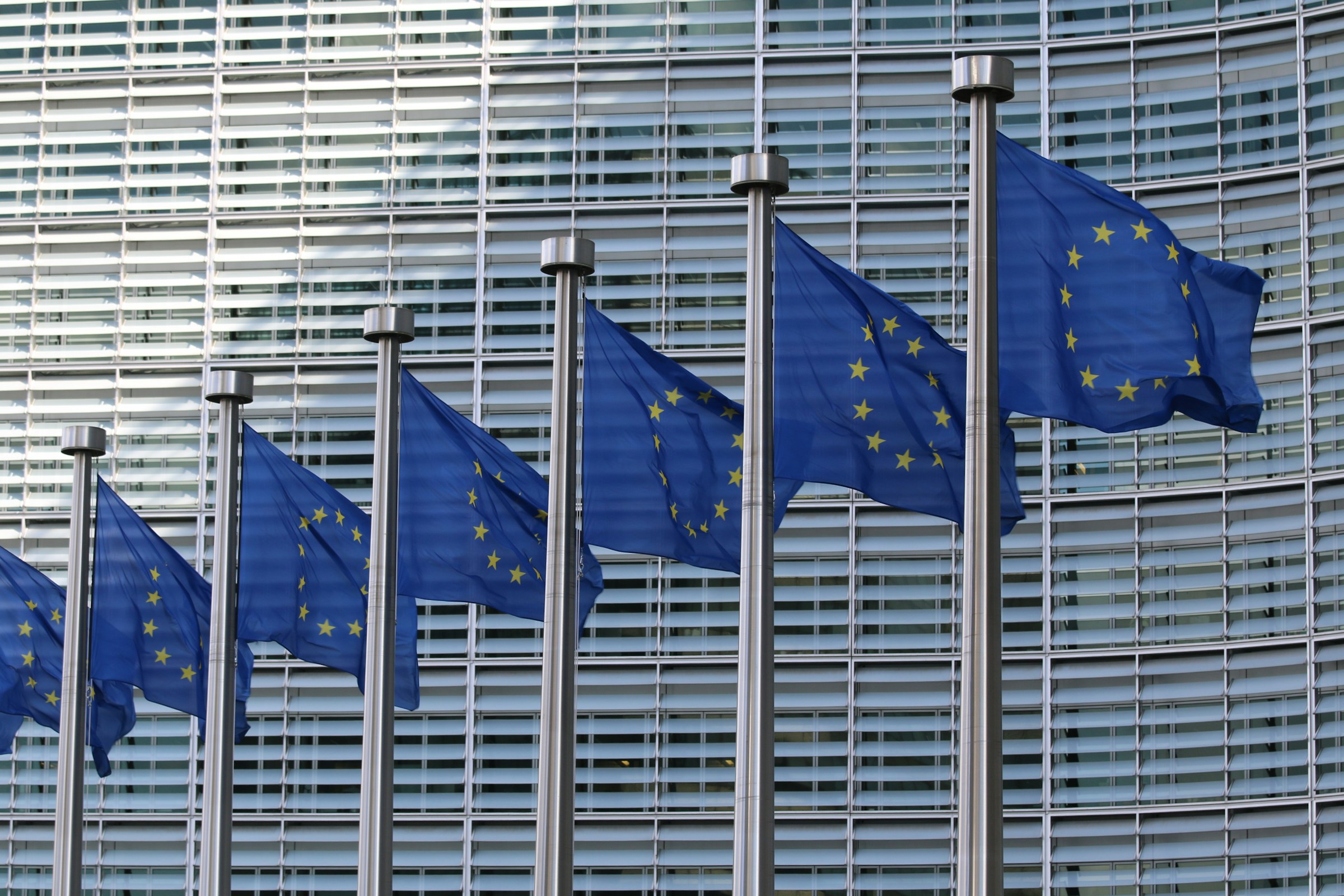

As debates over the European Union’s role in global governance intensify, understanding the extent and variability of its international actorness has become increasingly important. This report offers a cross-cutting, comparative analysis of how the EU functions as an international actor across five core policy areas: trade, digitalisation, health, human rights, and climate. Drawing on insights from the 15 ENSURED case studies, it develops an analytical framework that captures both internal and external dimensions of actorness and examines different forms of EU support to global governance institutions.
Actorness is understood here as the degree to which the EU can be classified as an international actor. Building on classic criteria such as autonomy, cohesion, capability, presence, opportunity, and recognition, the report distinguishes internal actorness – involving competences, coordination, member-state willingness, and unity – from external actorness, including institutional openness, external perceptions, and opportunities for engagement. This two-level approach allows the report to identify both enabling conditions and barriers to EU action across distinct global governance settings. The report proceeds in two analytical steps. First, it compares internal and external actorness conditions across the five policy areas, highlighting the extent to which factors within and beyond the EU’s control shape its ability to act. Second, it assesses the EU’s ideational and material support for specific multilateral institutions – both within institutional settings (e.g. WTO, WHO, UNHRC, UNFCCC) and beyond them (e.g. bilateral partnerships, regulatory diffusion) – and examines how these support patterns translate into perceived influence in global governance.
The EU’s ability to act in the international arena should not be taken for granted, nor should it be considered as a single factor.
Across these comparisons, the report offers two key insights:
- EU actorness comes in different shades, with stronger actorness in some policy areas than others. While the EU displays high actorness in trade and strong internal coordination in areas such as digitalisation and climate, health emerges as a domain marked by clearer barriers, including limited competences, weaker coordination, and negative external perceptions. The analysis demonstrates that internal and external conditions vary in their importance across policy areas, and that opportunity contexts – such as the COVID-19 pandemic or changing US foreign policy – can create openings or constraints for EU action.
- EU support for global governance is generally high, but high support does not necessarily correspond to high influence. The EU provides substantial ideational and material support across institutions, though with variation between policy areas. However, the report finds that strong engagement does not automatically translate into greater influence. Differentiating between types of support – such as policy innovation, climate finance, or bilateral partnerships – is therefore essential for understanding how the EU contributes to shaping global governance.
Taken together, the report shows that the EU’s actorness comes in “different shades”, with varying degrees of internal cohesion, external recognition, and strategic opportunity shaping its role across global governance institutions. While the EU demonstrates strong enabling conditions in several areas and remains a committed supporter of multilateralism, notable constraints remain – particularly where internal competences are limited or external contestation is high. Understanding these differentiated patterns is crucial for assessing how the EU can manage and harness its actorness to promote more robust, effective, and democratic global governance.
Citation Recommendation: Petri, Franziska, Steven Blockmans, Edith Drieskens, and Ceren Ergenc. 2025. “Actorness in Different Shades? Comparing EU External Action Across Global Governance Institutions.” ENSURED Research Report, no. 27 (December): 1-36. https://www.ensuredeurope.eu.




.png)


