



ENSURED researchers Hylke Dijkstra, Michal Parízek, and Clara Weinhardt have presented their research findings at several dissemination seminars across Asia — in China, India and Japan. The purpose of these seminars was to brief policy-makers, experts, and academics on headline conclusions of recent ENSURED reports, as well as to strengthen the worldwide epistemic community on global governance. These seminars served as a two-way exchange with colleagues in China, India, and Japan sharing their insights on the current challenges of global governance.
Japan: 20-21 January
The visit to Asia started in Japan where Hylke and Michal gave a presentation on the crisis of global governance during an academic seminar at the Hitotsubashi Institute for Advanced Studies (HIAS) in Tokyo (20 January). This seminar was hosted by Prof. Daniëlle Flonk of the Institute for Global Governance Research and attended by various professors and PhD candidates of the HIAS as well as professors from other universities in Tokyo.
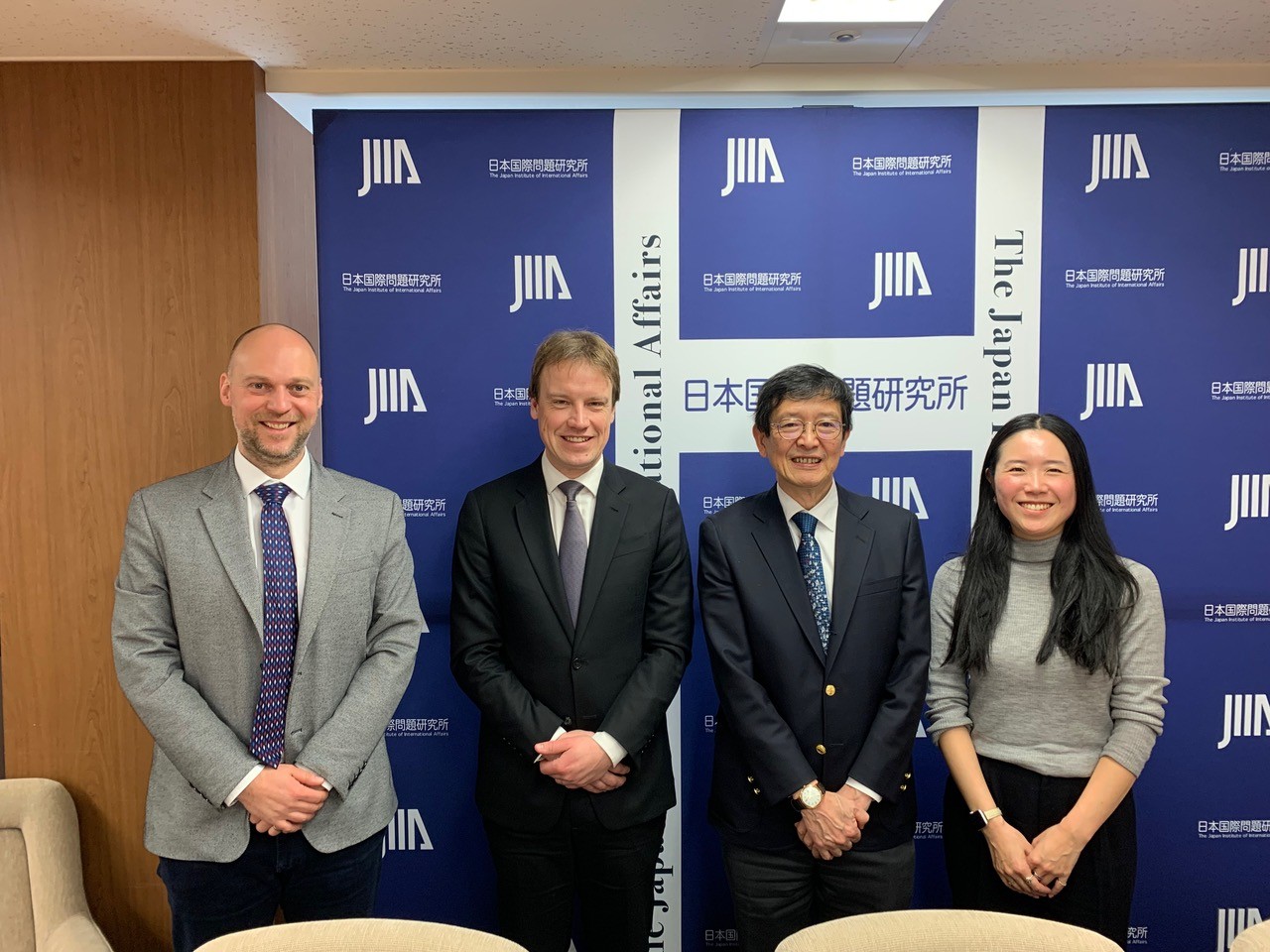
The next day (21 January), Hylke and Michal discussed the crisis of global governance during a roundtable at the Japan Institute of International Affairs (JIIA), hosted by Iida Keisuke, Kensuke Yanagida, and Asako Takashima, as well as during the Diplomatic Roundtable at the Japan Forum on International Relations (JFIR), hosted by Yona Kikuchi and Hiroki Sugita. During both events, there was an impressive attendance of Japanese diplomats, including those at the Japanese Ministry of Foreign Affairs (MFA) as well as those posted abroad who joined via teleconference, alongside representatives from Japanese business. The discussions included questions about European and Japanese priorities with respect to the rules-based global order, but also security dependencies.
China: 26 January
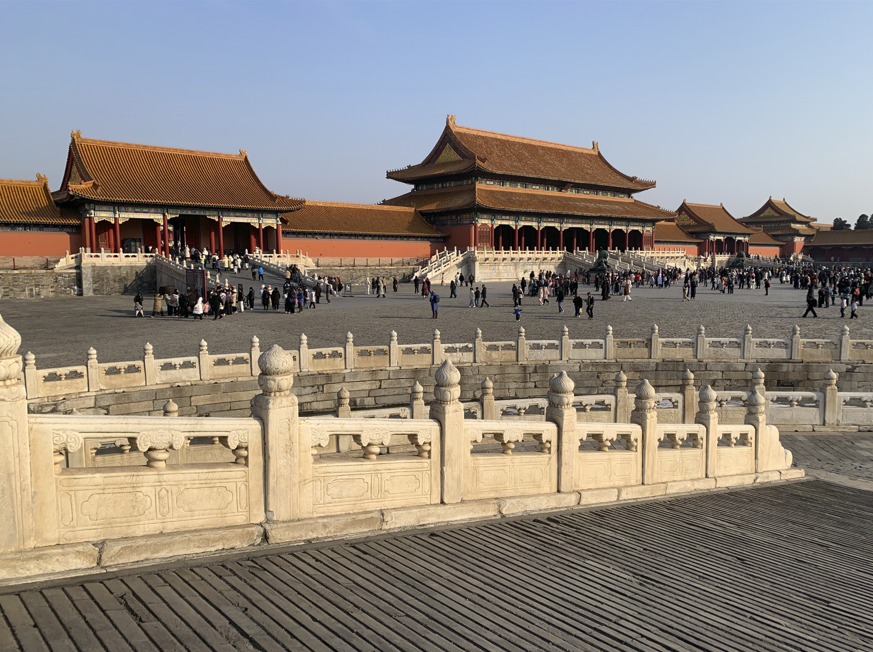
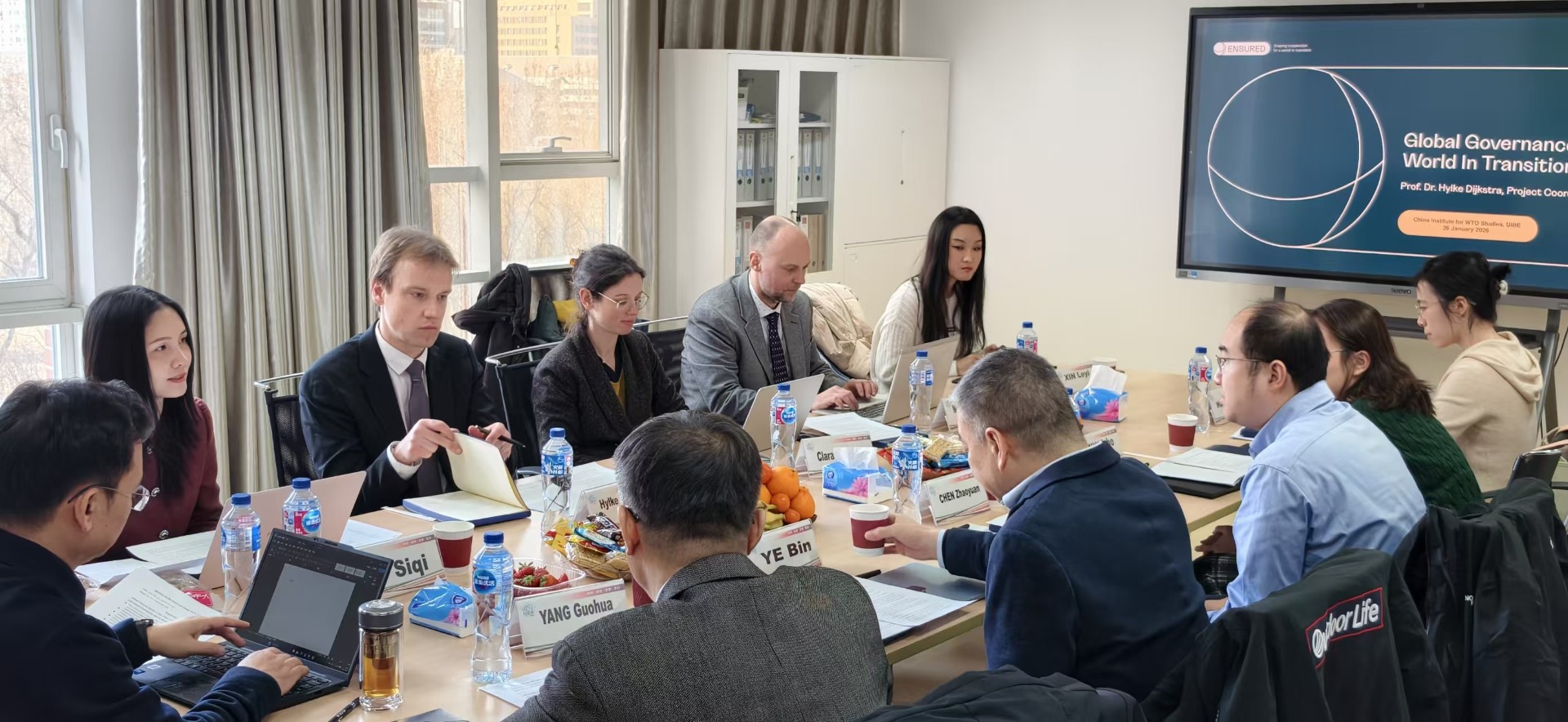
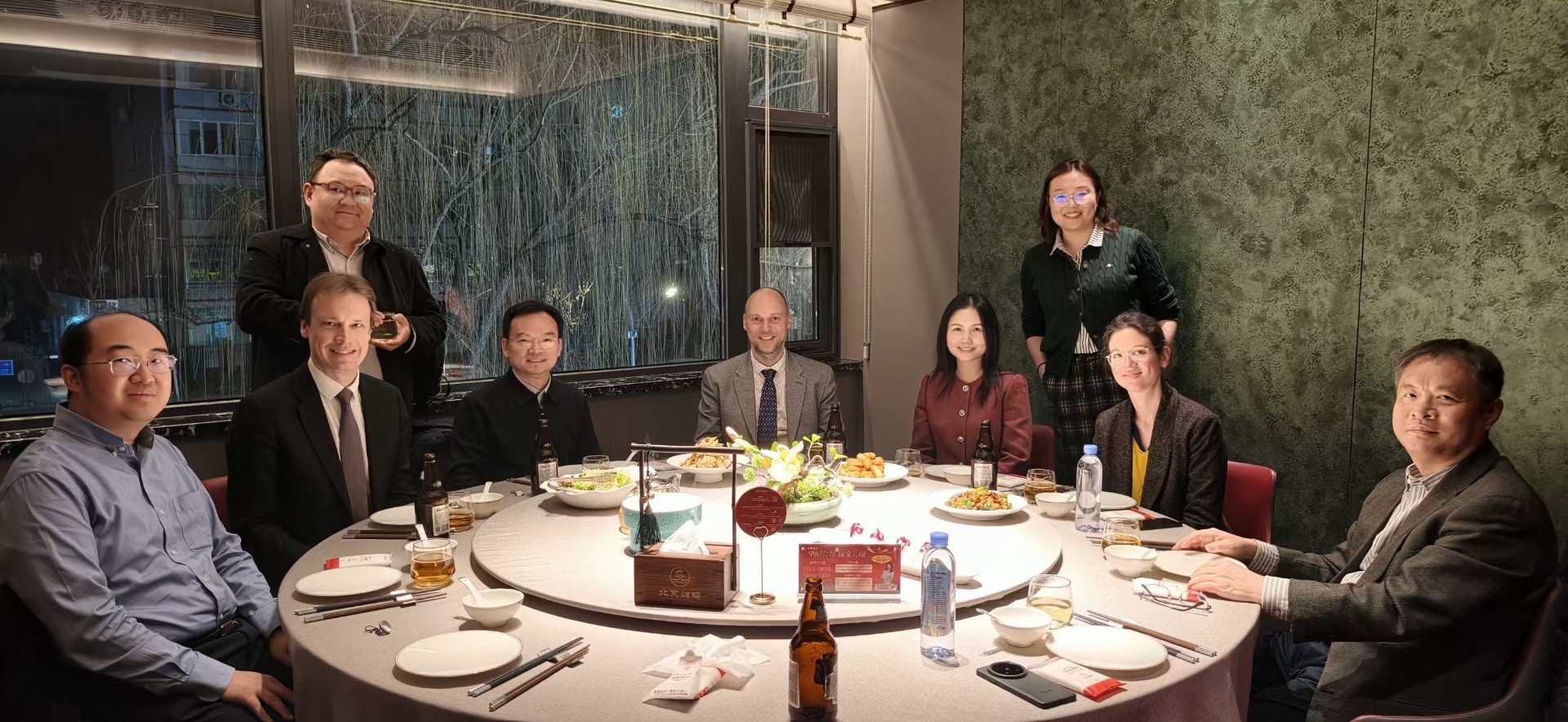
Following the meetings in Japan, the visit to Asia continued in China with a seminar (26 January) at the China Institute for WTO Studies of the University of International Business and Economics in Beijing (UIBE). UIBE is the ENSURED partner in China and the seminar, organised by researchers Xinquan Tu and Siqi Li, was attended by top-level Chinese trade and global governance experts from Tsinghua University Law School and the Chinese Academy of Social Sciences. Michal and Clara presented their research on WTO reform, and Hylke joined in the discussion section on global governance challenges more generally. The seminar was concluded with a traditional dinner of Peking Duck. In addition to this seminar at UIBE, ENSURED researchers met with European representatives based in Beijing for an exchange of perspectives on the future of trade governance.
India: 28-29 January
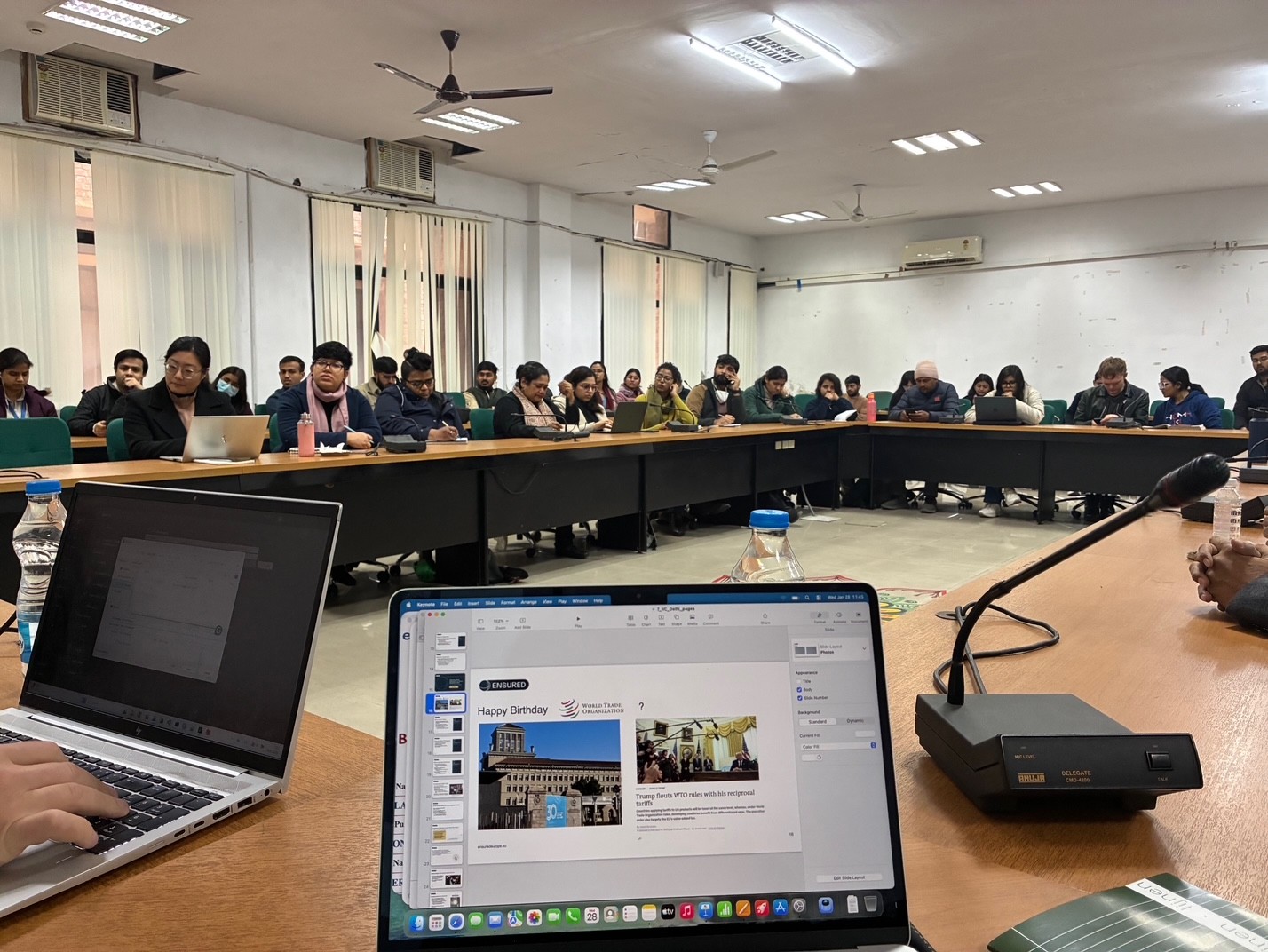
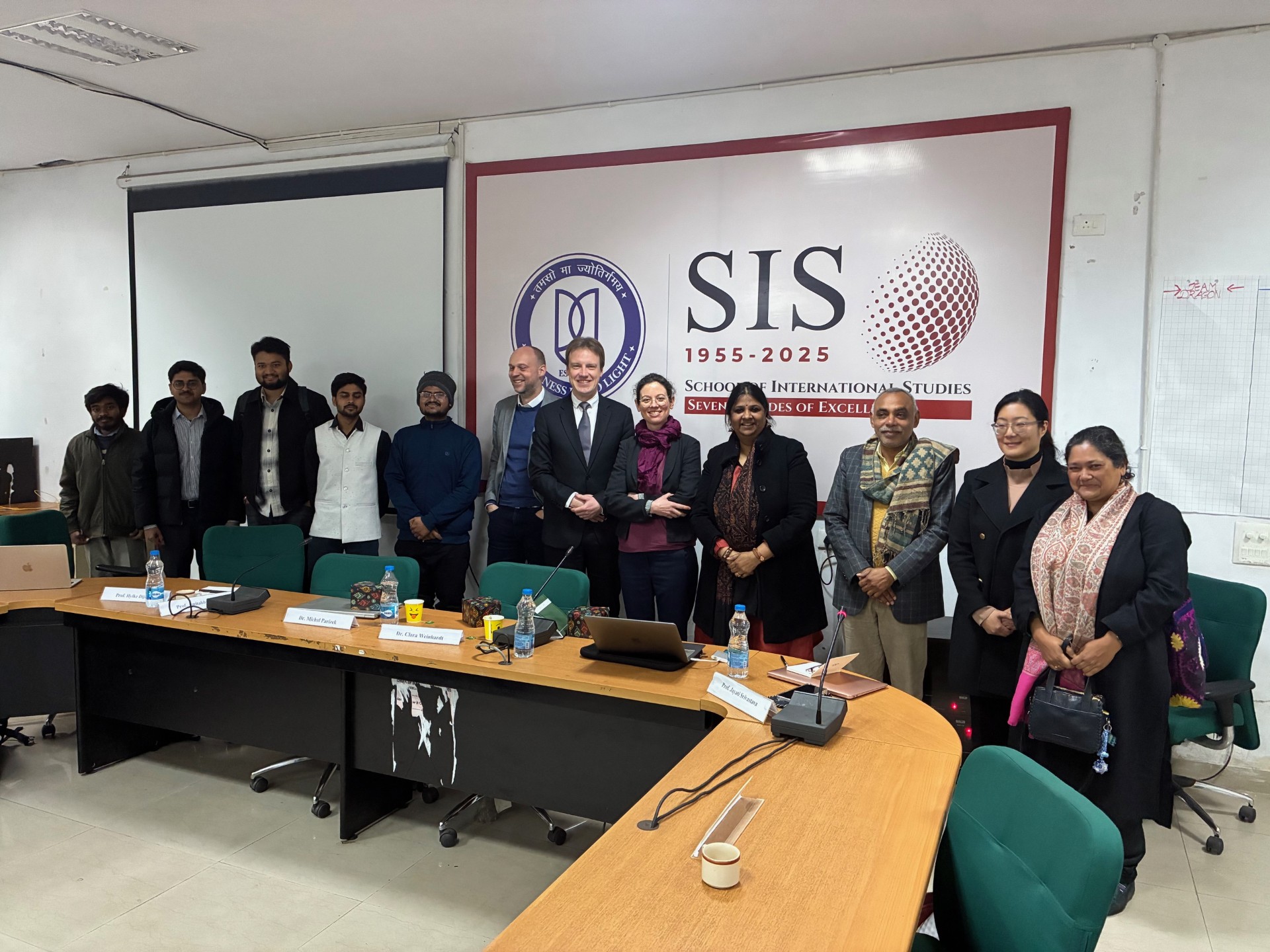
The final part of the Asia dissemination tour included presentations in India, where Hylke, Michal, and Clara were hosted by Prof. Jayati Srivastava at Jawaharlal Nehru University (JNU), the ENSURED partner in India. On 28 January, they presented their work at a research seminar at the Centre for International Politics, Organization and Disarmament (CIPOD) of JNU in New Delhi. After lunch, they met all the PhD candidates at the School of International Studies at JNU and exchanged views on conducting research on international organisations, as they are increasingly challenged.
The next day, on 29 January, Hylke, Michal, and Clara were hosted by the India International Centre (ICC) in New Delhi, which is surrounded by various UN agencies and other international institutions. Hylke presented his ENSURED report on global institutions, comparing 15 case studies, while Michal and Clara discussed their ENSURED research on WTO reform and expanding its scope. The trip to Asia concluded on 30 January with a research discussion at the Centre for Social and Economic Progress (CSEP) in New Delhi, where Clara and Michal presented on the EU’s changing trade strategy, followed by an exchange with think tank experts in the field of international political economy.
The visits to China, India, and Japan served the purpose of strengthening existing networks and building new ones at a moment that international collaboration is increasingly under strain.
In total, Hylke, Michal, and Clara shared and discussed their work at nine different institutions, ranging from universities to think tanks and diplomatic forums. Across all discussions, colleagues expressed concern about the current challenges to global governance and were grateful for the opportunity to have these conversations. The visits to China, India, and Japan furthermore served the purpose of strengthening existing networks and building new ones at a moment that international collaboration is increasingly under strain.
A Few Highlights:




.png)


