


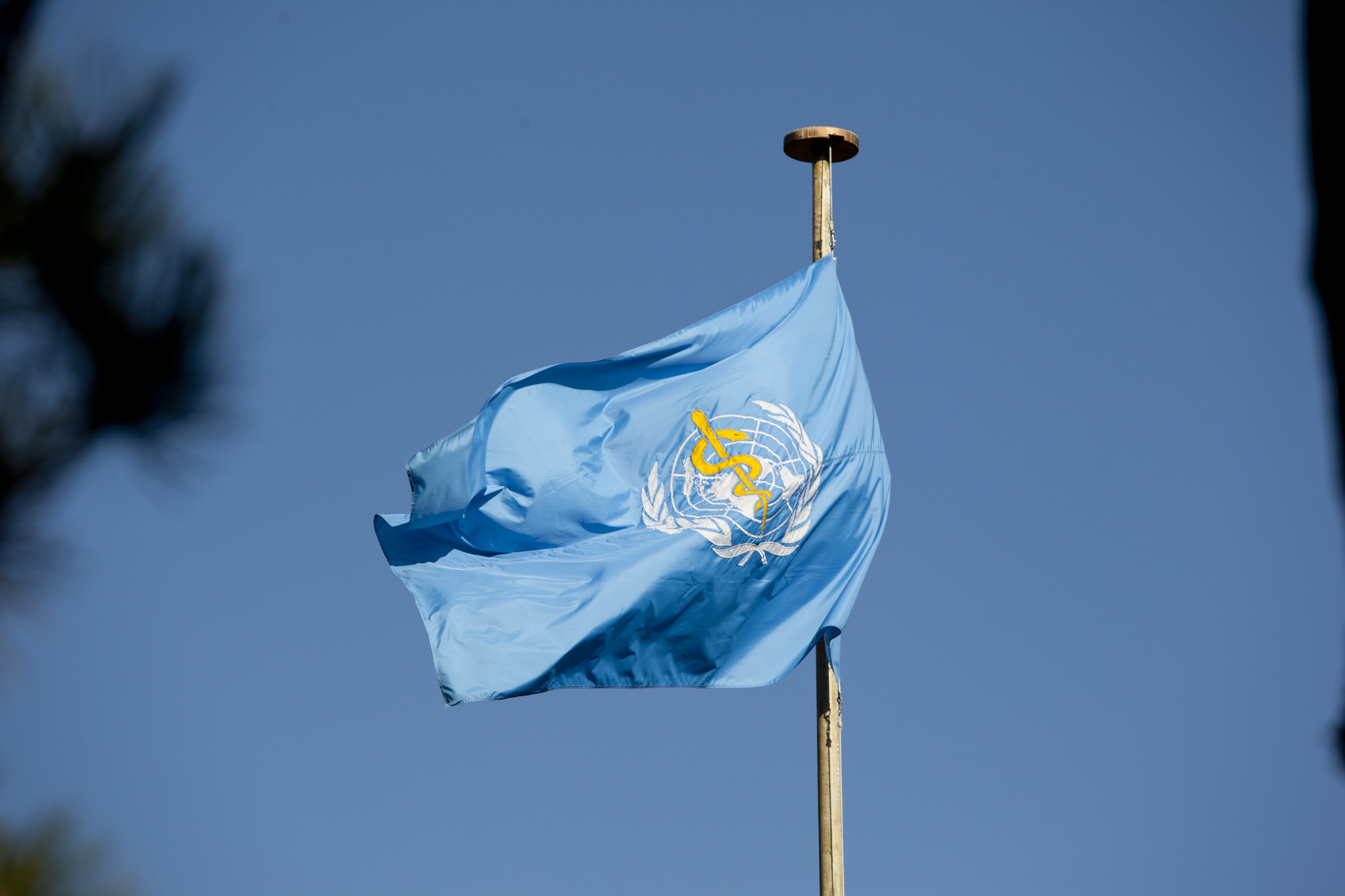

The COVID-19 pandemic intensified global power tensions and subjected the World Health Organization (WHO) to its sternest test. Even as the rationale for its existence became clearer than ever, widespread criticism of its pandemic response eroded its image and left it struggling to maintain its standing in a crowded global health landscape. How well has the organisation’s post-COVID-19 reform agenda prepared it to tackle the next global health emergency?
Reforming the WHO has long featured on the multilateral agenda. Throughout its history — and particularly since the turn of the century— the organisation has faced growing competition, contestation, and many global health crises. The competition has emerged from public-private partnerships with sectoral or disease-specific orientations, most notably Gavi, the Vaccine Alliance (Gavi) and the Global Fund to Fight AIDS, Tuberculosis and Malaria(Global Fund). It has also arisen from overlaps between the WHO’s focus areas and those of other multilateral organisations and programmes. The WHO’s work has also been shaped by broader geopolitical currents and great-power rivalries.
Perhaps most unsurprisingly, the WHO’s institutional structures and processes have also been impacted by high-profile epidemics and pandemics: the WHO has often used these crises as opportunities for institutional development. The pandemic underscored the urgency of a “Transformation Agenda,” initiated by WHO Director-General Tedros Adhanom Ghebreyesus after his appointment in 2017, as well as opening other reform avenues, including a comprehensive review of the normative foundations of global health security. At the same time, it brought unexpected challenges, such as the announced withdrawal of the US from the WHO.
The ongoing transformation of the WHO after the pandemic has produced notable gains but also reinforced some problematic institutional dynamics.
This report examines the WHO’s post-COVID-19 reform efforts through the lens of the ENSURED conceptual framework, which emphasises three dimensions: robustness (capacity to withstand crises), effectiveness (ability to deliver results), and democracy (inclusiveness and accountability). Beginning with a historical overview of institutional debates, the report identifies key actors shaping current reform initiatives and analyses how these initiatives have unfolded. It then turns to a focused discussion of the European Union’s role. Based on public documents and statements, financial data, interviews with relevant officials and observers, and secondary sources, the authors find:
· Steps taken since 2020 have focused primarily on enhancing the organisation’s robustness;
· Substantial attention has also been paid to its effectiveness;
· Democratic considerations, by contrast, have received limited attention.
All in all, the authors show that the ongoing transformation of the WHO after the pandemic has produced notable gains but also reinforced some problematic institutional dynamics.
Citation Recommendation:
Fernández, Óscar,and Mirko Heinzel. 2025. “Reforming the World Health Organization After the COVID-19 Pandemic: Diagnosis and Prognosis.” ENSURED Research Report, no. 18 (November): 1-39. https://www.ensuredeurope.eu/.
Photo: Flickr/ Eric Bridiers (CC BY-ND 2.0)


.png)


